2026 WCQ: Dessers Becomes Cap-Tied to Nigeria and Nine Other Observations from Win vs Wasps
Written by Abidoye Babatunde Blackcoin on 6 — 09
Nigeria’s Super Eagles secured a vital 1-0 victory over Rwanda’s Amavubi, known as the Wasps, in a 2026 FIFA World Cup qualifier at the Godswill Akpabio International Stadium in Uyo on September 6, 2025. The win, sealed by a second-half goal from substitute Tolu Arokodare, kept Nigeria’s qualification hopes alive in a tightly contested Group C. Beyond the result, the match provided several key moments, including Cyriel Dessers becoming cap-tied to Nigeria. Here are nine key observations from the Super Eagles’ hard-fought triumph.
1. Cyriel Dessers Becomes Cap-Tied to Nigeria
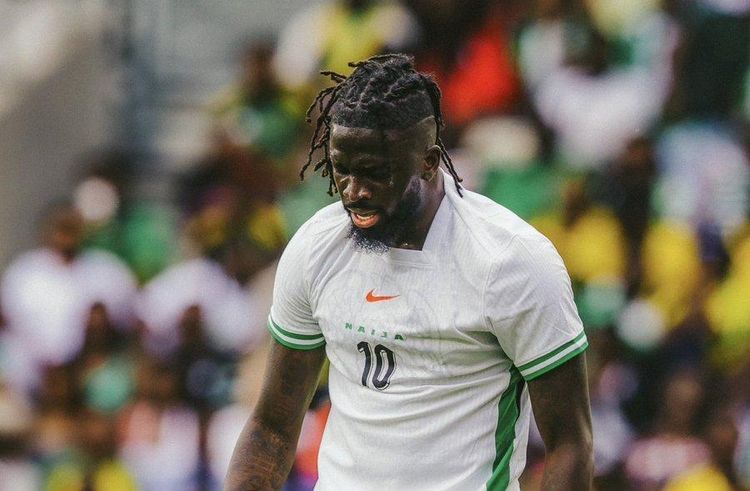
Cyriel Dessers, the Glasgow Rangers striker, marked a significant milestone in his international career by becoming cap-tied to Nigeria. The 27-year-old, born in Belgium to a Nigerian mother, earned his third competitive cap for the Super Eagles, having previously appeared in qualifiers against South Africa and Benin. FIFA regulations stipulate that a player becomes cap-tied after three competitive appearances, locking Dessers into representing Nigeria for the remainder of his career. Dessers, who started in place of the injured Victor Osimhen, showed flashes of his goal-scoring instincts but was unable to convert, with Rwanda’s goalkeeper Ntwari Fiacre denying him in the 38th minute. His commitment to the Super Eagles strengthens Nigeria’s attacking options as they navigate the road to the 2026 World Cup.
2. Tolu Arokodare’s Breakthrough Moment
With Victor Osimhen sidelined by injury, Tolu Arokodare seized his opportunity to shine. The Wolverhampton Wanderers forward, introduced as a second-half substitute in the 46th minute, scored the match-winning goal just five minutes later. Ola Aina’s low cross found Arokodare unmarked at the far post, and the 24-year-old volleyed home from close range for his first competitive goal for Nigeria. The £24 million signing from Gent has faced scrutiny in the Premier League, but this goal could prove a turning point, signaling his potential to become a key figure in Nigeria’s attack, especially with Osimhen’s fitness concerns.
3. Defensive Solidity Anchors the Win
Nigeria’s backline, led by Calvin Bassey and Igoh Ogbu, delivered a resolute performance to secure a clean sheet against a spirited Rwanda side. Goalkeeper Stanley Nwabali was instrumental, making a crucial save in the 68th minute to deny a header from a Rwanda corner. The Super Eagles’ defense faced sustained pressure from Rwanda’s counter-attacks, particularly through Jojea Kwizera, but held firm. Bassey’s aerial dominance and Ogbu’s timely interventions ensured Nigeria avoided the defensive lapses that cost them points in earlier qualifiers, such as the 1-1 draw against Zimbabwe in March 2025.
4. Midfield Control Without Flair
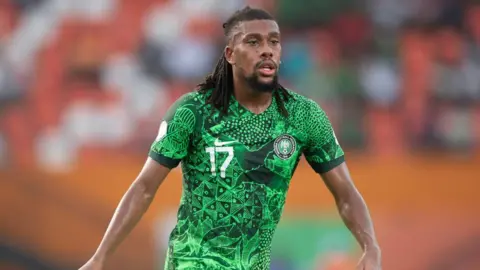
The midfield trio of Wilfred Ndidi, Alex Iwobi, and Frank Onyeka provided Nigeria with control but lacked the creative spark needed to break down Rwanda’s compact defense in the first half. Ndidi’s work rate and ball recoveries were standout, but Iwobi struggled to find space to unlock the Wasps’ backline. Onyeka’s substitution for Arokodare at halftime shifted Nigeria to a more attacking setup, which paid off with the winning goal. The introduction of Fisayo Dele-Bashiru later in the match added energy, suggesting coach Eric Chelle may need to experiment with more dynamic options in midfield for upcoming fixtures.
5. Rwanda’s Resilience Poses Questions
Rwanda, nicknamed the Wasps for their stinging counter-attacks, proved a formidable opponent despite their underdog status. The Amavubi, coached by Adel Amarouche, pressed high and exploited gaps in Nigeria’s flanks, with Kwizera and Innocent Nshuti creating problems. Their disciplined 4-4-2 setup frustrated Nigeria for large spells, and only Nwabali’s heroics prevented an equalizer. Rwanda’s performance, following their 1-1 draw with South Africa in June 2025, underscores their growing threat in Group C, making Nigeria’s victory all the more significant.
6. Osimhen’s Absence Exposes Squad Depth Concerns
The absence of Victor Osimhen, Nigeria’s leading scorer in the qualifiers, highlighted the Super Eagles’ reliance on their star striker. Without Osimhen’s presence, Nigeria struggled to create clear-cut chances in the first half, with Dessers and Ademola Lookman unable to replicate his clinical finishing. While Arokodare’s goal eased concerns, the injury to Osimhen raises questions about Nigeria’s attacking depth ahead of critical matches, including a daunting trip to South Africa. Coach Chelle will need to develop contingency plans to ensure the team can cope without their talisman.
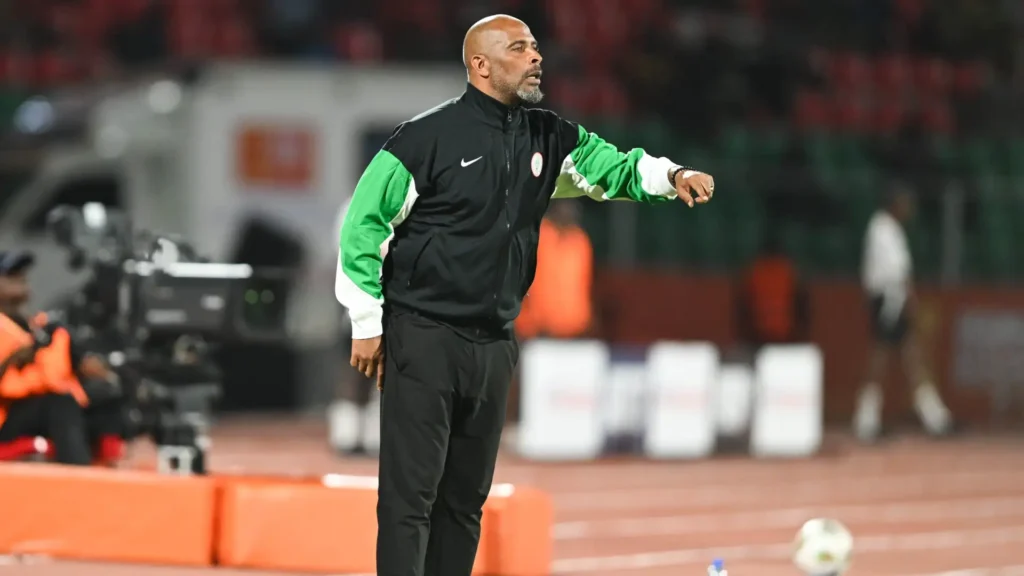
7. Chelle’s tactical switch paid off
Chelle began the game in a 4-2-3-1, opting against his favoured diamond midfield. It was functional but flat, as Nigeria struggled to unlock Rwanda.
At halftime, with the score still goalless, he reverted to his trusted 4-4-2 diamond, and the difference was immediate.
The system gave Nigeria more bodies in central areas, and with Arokodare introduced, the attack suddenly had a focal point. The goal came just six minutes into the second half, vindicating Chelle’s adjustment. It’s a reminder that sometimes Plan A isn’t always the best plan.
8. Nwabali’s nerves becoming a problem
Chippa United goalkeeper Stanley Nwabali has emerged as Nigeria’s No.1 over the last year or two, but his temperament remains under scrutiny.
Against Rwanda, he picked up a needless yellow card for provoking a scuffle and seemed oddly casual in possession.
On at least two occasions he dwelt on the ball when his defenders were urging him to clear, inviting unnecessary pressure.
While he is a capable shot-stopper, the lapses in focus could prove costly in tighter matches. Chelle may soon face a difficult choice: either demand sharper discipline or consider giving a another top goalkeeper a run.
9. A long-awaited win on Nigerian soil
It might sound astonishing, but Nigeria had not won a home World Cup qualifier in four years.
The last time was a 2-0 win over Liberia in September 2021. Since then, the Super Eagles’ home record in qualifiers read: DDDDDL.
Saturday’s win broke that frustrating streak and brought only their second victory in the last ten qualifiers. For a nation that still defines itself through football, ending the home drought was as important as the points themselves.
Looking Ahead
The 1-0 win moves Nigeria to third in Group C with 11 points, overtaking Rwanda (8 points) but still trailing South Africa (16 points). With three matches remaining, including a pivotal clash against Bafana Bafana in Bloemfontein on Tuesday, the Super Eagles must build on this momentum. A potential FIFA ruling on South Africa’s alleged use of an ineligible player could shake up the standings, but Nigeria must focus on their performances. Arokodare’s emergence and Dessers’ commitment provide optimism, but consistency and depth will be key to securing a spot at the 2026 FIFA World Cup in the United States, Mexico, and Canada.